See the animal first
Match the level of the clue
Common animal names are often the quickest to type. For a prompt that explicitly asks for a species, choose a name that identifies one. “Bird” describes a class and “penguin” covers a group.
| Prompt category | Think in | Practice candidate |
|---|---|---|
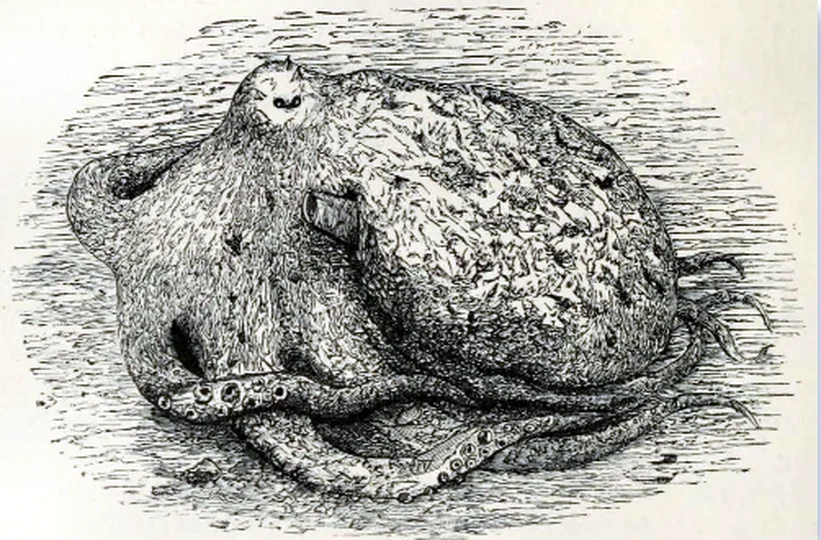
| A cephalopod | Members of the group | Common octopus |
| An adaptation for camouflage | A trait or behavior | Color change in cuttlefish |
| A flightless bird species | A specific bird | Southern cassowary |
| A mammal native to a region | Species and native range together | Platypus in eastern Australia |
Check the habitat condition
Name a fish that migrates between fresh and salt water
Atlantic salmon fits. It leaves freshwater to grow at sea and returns to freshwater to spawn.
Name a mammal that lays eggs
A platypus fits. An echidna is another candidate, and naming the short-beaked echidna is more specific.
Name a reef-building organism
Stony corals are a strong route into the category. If the prompt requires a species, give a named reef-building coral.
Tell habitat from native range
Try “name a mammal native to Australia.” The platypus fits. A European rabbit may live in the same country and still fail the word native because it was introduced. To recall a good candidate, picture an animal you can tie to the region and then ask why it naturally occurs there.
A habitat question asks where you would find it living. A range question asks which places are part of its distribution. If you can say what makes your candidate fit in one short sentence, you have something firmer than a place association. The science guide applies that check to objects and processes.